Concrete Leveling in Palm Beach County, FL
Serving Palm Beach County homeowners with expert concrete driveways, patios, pool decks, and repairs.
15+
Years Experience
500+
Projects Completed
2-Year
Warranty
Concrete Leveling to Fix Uneven Slabs
Uneven concrete creates trip hazards and drainage problems. We provide concrete leveling solutions across Palm Beach County for settled slabs on walkways, patios, and other flatwork where correction is practical. The right method depends on slab condition and what caused settlement. We'll inspect the area, explain options clearly, and recommend the fix that's most likely to hold up. Request a quote to get started.
What Is Concrete Leveling?
Concrete leveling is the process of correcting uneven, sunken, or tilted concrete slabs to restore a flat, safe surface without tearing out and replacing the existing concrete. When a slab settles unevenly — one side lower than the other, or an entire section sinking toward a low spot — it creates trip hazards, drainage problems, and an unsightly appearance. In Palm Beach County, concrete leveling is most commonly needed on driveways, walkways, pool decks, and patio slabs where sandy soil erosion has removed support from beneath the concrete. The right leveling method depends on why the slab moved, how far it has settled, and whether the concrete itself is still structurally sound.
Why Slabs Settle in South Florida
Palm Beach County's soil and climate conditions create specific settlement patterns that homeowners across the region deal with regularly. Understanding the cause is essential before recommending a leveling approach.
- Sandy soil erosion — South Florida's sandy sub-base washes away during heavy seasonal rains, creating voids beneath slabs that allow settlement
- Poor original compaction — sub-base that wasn't properly compacted during original construction continues to compress under load over time
- Tree root activity — roots push beneath slabs causing uneven lifting, and when roots die or are removed the soil collapses
- Plumbing leaks — water escaping from underground pipes erodes soil and creates voids that lead to sudden slab settlement
- Organic material decomposition — buried organic debris from original construction decomposes and leaves voids
- Pool and irrigation system leaks — chronic water intrusion from pool shells or irrigation lines saturates and erodes the sub-base around pool decks and patios
Leveling Methods We Use
The right leveling approach depends on slab condition, settlement severity, and the cause of movement. We evaluate each situation before recommending a method.
- Mudjacking (slabjacking) — pumping a cement-sand-water slurry beneath the slab through drilled holes to fill voids and lift the concrete back to grade. Cost-effective for larger slabs with moderate settlement.
- Polyurethane foam lifting — injecting expanding polyurethane foam through small drilled holes. Lighter than mudjacking, faster cure time, and less disruptive for pool decks and areas near landscaping.
- Grinding and trip hazard correction — for minor height differences at slab joints (1/2 inch or less), grinding down the high edge is faster and less expensive than lifting the low side.
- Partial replacement — when a section has settled severely or the concrete is too cracked to lift without further damage, cutting out and replacing that section is the most practical solution.
When Leveling Won't Hold
We tell homeowners upfront when leveling is not a permanent solution. If the underlying cause of settlement hasn't been addressed, leveled slabs will re-settle. Situations where leveling alone won't hold long-term include active plumbing leaks that are still eroding soil, ongoing tree root activity, and severely eroded sub-bases with large voids that can't be fully filled. In these cases we recommend addressing the root cause first, then evaluating the slab. A leveling job that re-settles in 6 months is not a good investment — we'd rather tell you that upfront than have you spend money on a repair that doesn't last.
Trip Hazard Correction and Liability
Uneven concrete is a trip hazard — and in Palm Beach County, where HOA communities and properties with frequent foot traffic are common, that matters. A height difference of 1/4 inch or more at a slab joint is typically considered a trip hazard under ADA guidelines and local code. We correct trip hazards by leveling the low side, grinding the high side, or a combination of both depending on the specific geometry. For commercial properties and HOA common areas, trip hazard correction is often a code compliance issue with real liability implications. For residential driveways and walkways, it's a safety issue for the homeowner's family and guests.
Serving Palm Beach County
We provide concrete leveling throughout Palm Beach County including Boca Raton, Delray Beach, Boynton Beach, Lake Worth, West Palm Beach, Wellington, Jupiter, Palm Beach Gardens, Riviera Beach, and Royal Palm Beach. Slab settlement is one of the most common concrete problems in South Florida due to the region's sandy soil and heavy seasonal rainfall. Our 15+ years working on Palm Beach County slabs means we know which neighborhoods have the most active settlement problems and which leveling methods hold up in local conditions.
Recent Projects
Walkway Trip Hazard in Palm Beach Gardens
Corrected a 1.5-inch height difference at a control joint on a community walkway in a gated HOA. Ground the high side and filled the low side with a polymer-modified repair mortar to create a flush, ADA-compliant transition. Completed in half a day without disrupting foot traffic.
Palm Beach Gardens, FLDriveway Slab Lifting in Boynton Beach
Lifted a 200 sq ft section of driveway that had settled 2 inches at the garage apron using polyurethane foam injection. Four injection points restored the slab to within 1/8 inch of grade. Holes patched and surface sealed same day. Completed in 3 hours.
Boynton Beach, FLPool Deck Leveling in Delray Beach
Lifted and leveled a 150 sq ft section of pool deck that had settled toward the pool equipment pad, creating a drainage problem and trip hazard. Used polyurethane foam to minimize weight addition near the pool shell. Confirmed level and sealed within 24 hours.
Delray Beach, FLOur Work
What's Included
- Slab assessment (settlement cause + extent)
- Trip hazard correction planning
- Recommendations for leveling vs repair vs replacement
- Prep and correction work (as appropriate)
- Drainage considerations where relevant
Transformations
Complete outdoor living transformations
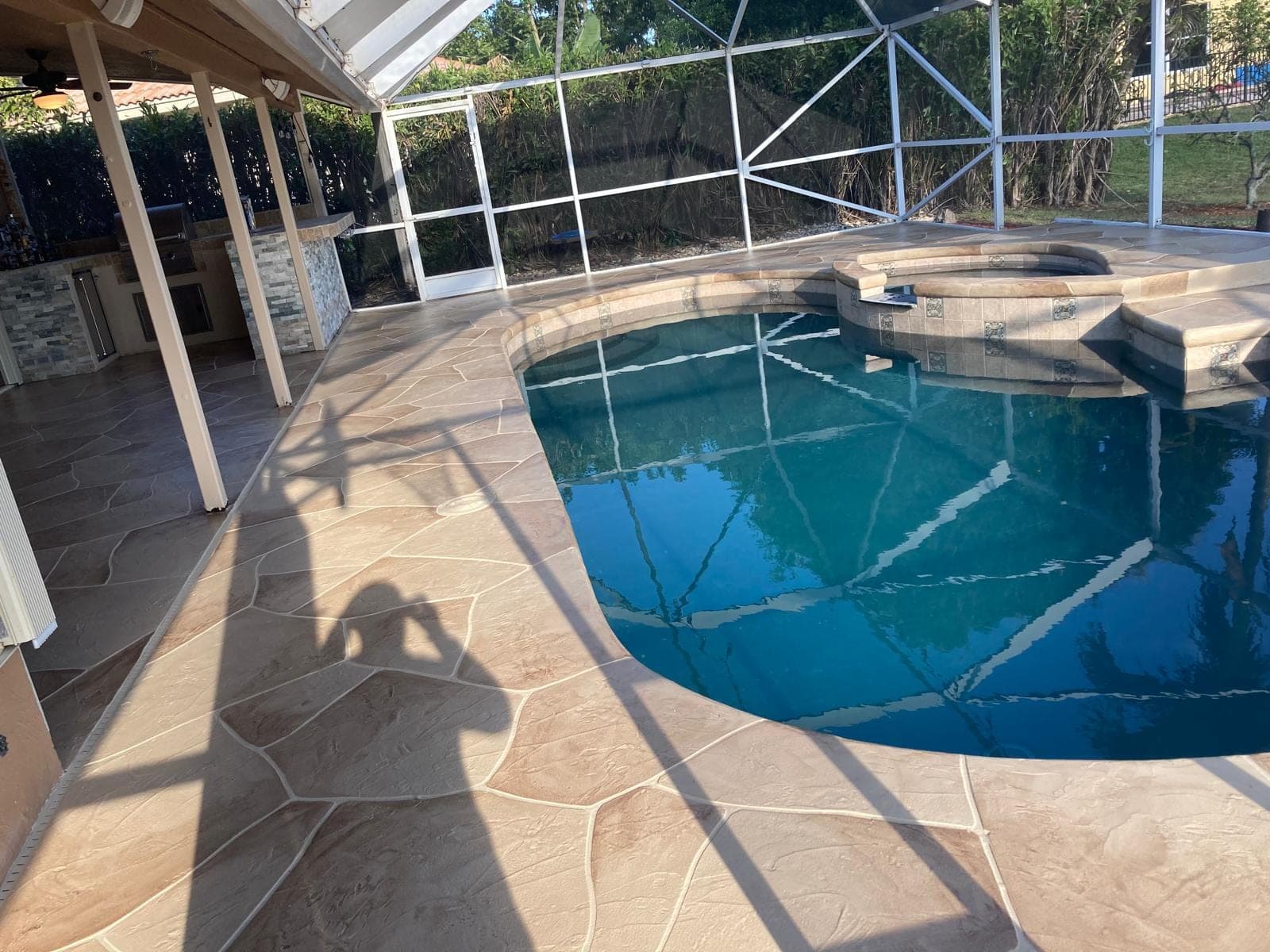
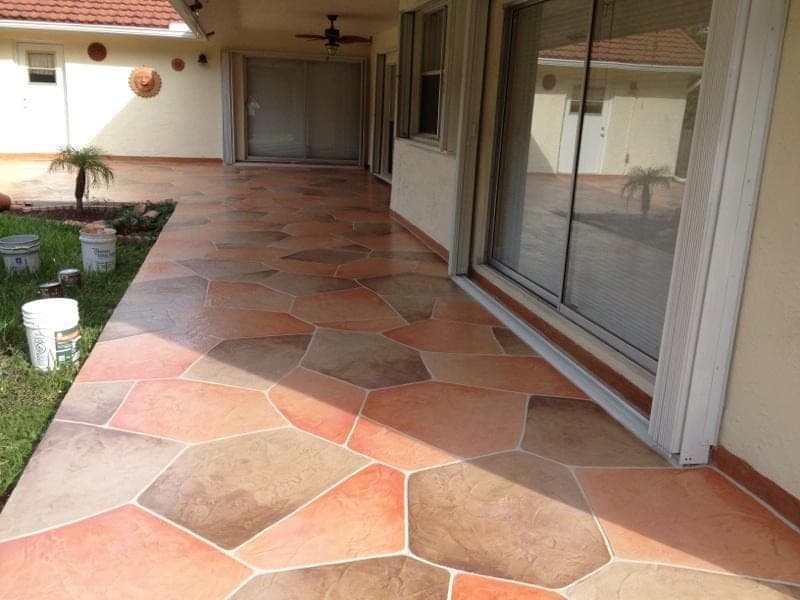
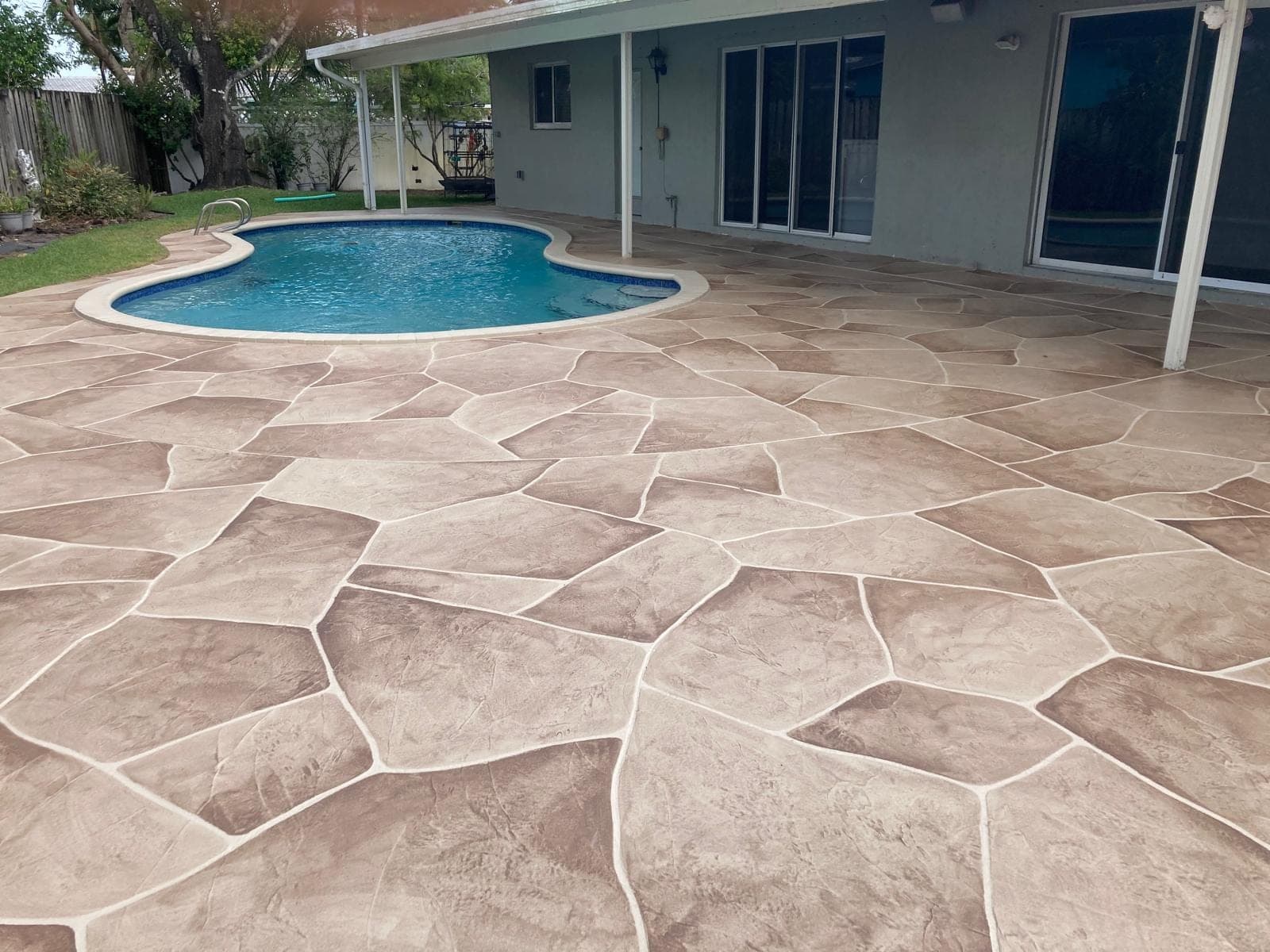
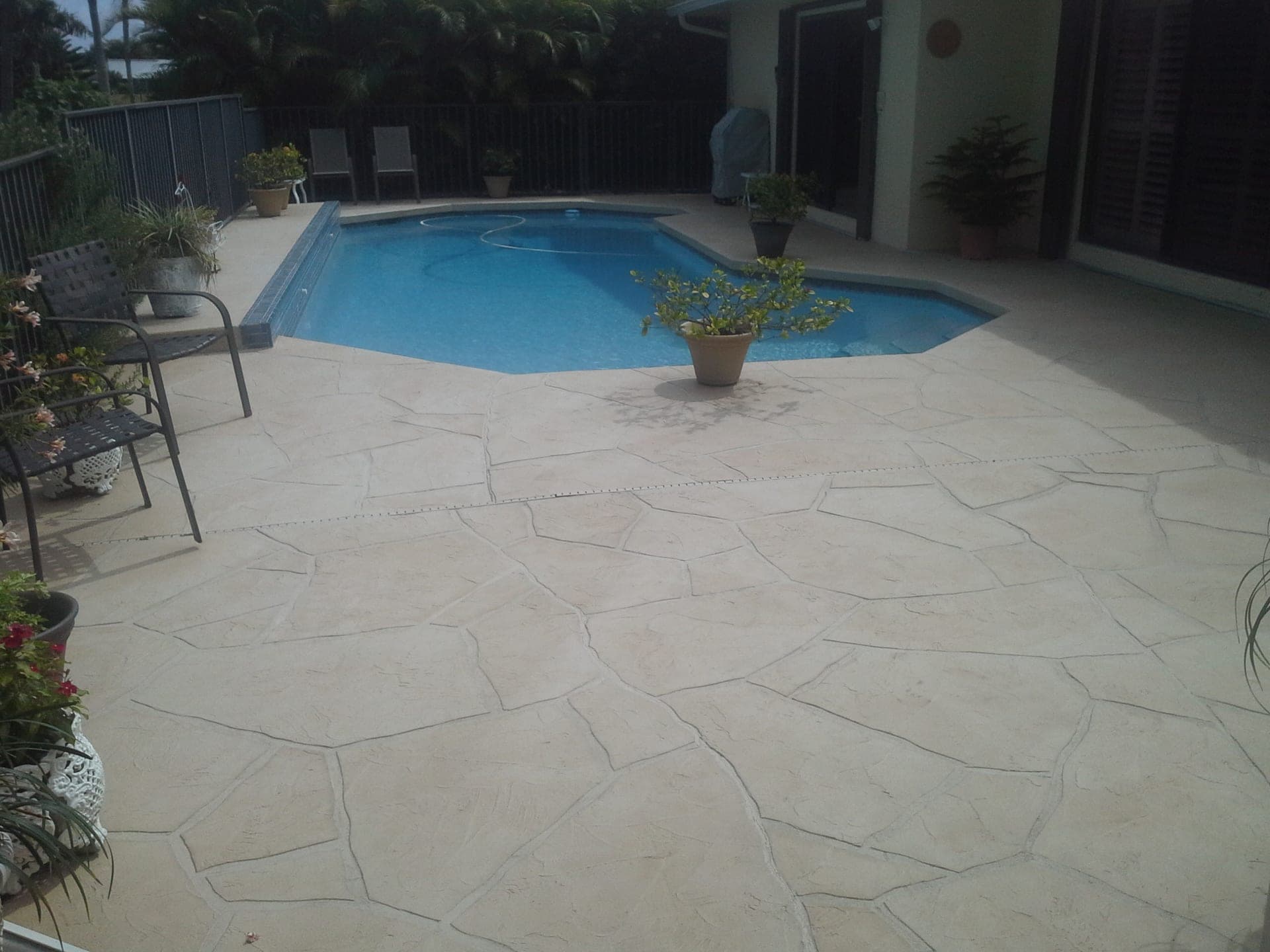
Pool decks designed for South Florida living
What Our Customers Say
“Outstanding work on our pool deck! Professional from start to finish. The cool deck finish is perfect for Florida.”
Michael R.
West Palm Beach
“The stamped concrete looks amazing and really elevated our home's curb appeal.”
Jennifer S.
Boca Raton
“Third time using Concrete Solutions. Consistent quality every time. Fair pricing and they stand behind their work.”
David M.
Jupiter
Explore More
Serving Palm Beach County
Professional concrete leveling services throughout South Florida, from Boca Raton to Jupiter.
Concrete Leveling FAQs
Can all slabs be leveled?
Not always. If the slab is cracked badly or unstable, replacement may be a better option.
Do you fix trip hazards on sidewalks and walkways?
Yes. We evaluate the height difference and recommend the safest correction.
Will leveling stop future settling?
It depends on the underlying cause. We'll explain risks and what can be improved.
How long does leveling take?
Some corrections can be done quickly, but timeline depends on method and site conditions.
Is leveling cheaper than replacement?
Often yes—when the slab is a good candidate.
What's the next step?
Request a quote and we'll assess the slab and give clear options.
Ready to Transform Your Outdoor Space?
Get a free, no-obligation quote from our expert team. We'll help you choose the perfect concrete solution for your property.
Free estimates • No pressure • Same-day response