The 6 Most Common Causes of Concrete Cracking in South Florida
Most concrete cracks in Palm Beach County trace back to one of these six causes—each made worse by South Florida's specific climate and soil conditions:
- Sandy soil settlement — South Florida's sandy soil compacts poorly under slabs, creating voids that allow sections to settle unevenly over time
- Tree root intrusion — ficus, royal palm, and oak roots are the most destructive; roots grow beneath slabs and exert upward pressure that heaves and cracks concrete
- Thermal expansion — concrete expands under South Florida's intense heat and contracts at night; slabs without adequate control joints crack under this repeated stress
- Overloading — heavy vehicles (RVs, delivery trucks) on driveways poured at standard passenger-car thickness crack slabs not designed for the load
- Water erosion under slabs — heavy South Florida rains wash sandy soil from beneath slabs, creating voids that eventually cause surface cracking and settling
- Improper installation — missing rebar or fiber mesh, inadequate base compaction, wrong concrete mix, or control joints spaced too far apart all produce premature cracking
Hairline Cracks vs. Structural Cracks: How to Tell the Difference
The type of crack determines the correct response. Here's how to identify what you're looking at:
- Hairline cracks (cosmetic): under ¼ inch wide, no vertical displacement (both sides at the same height), not widening — normal in South Florida; can be sealed or resurfaced
- Structural cracks: vertical displacement (one side visibly higher), cracks wider than ½ inch, or cracks actively widening — indicate movement requiring contractor evaluation
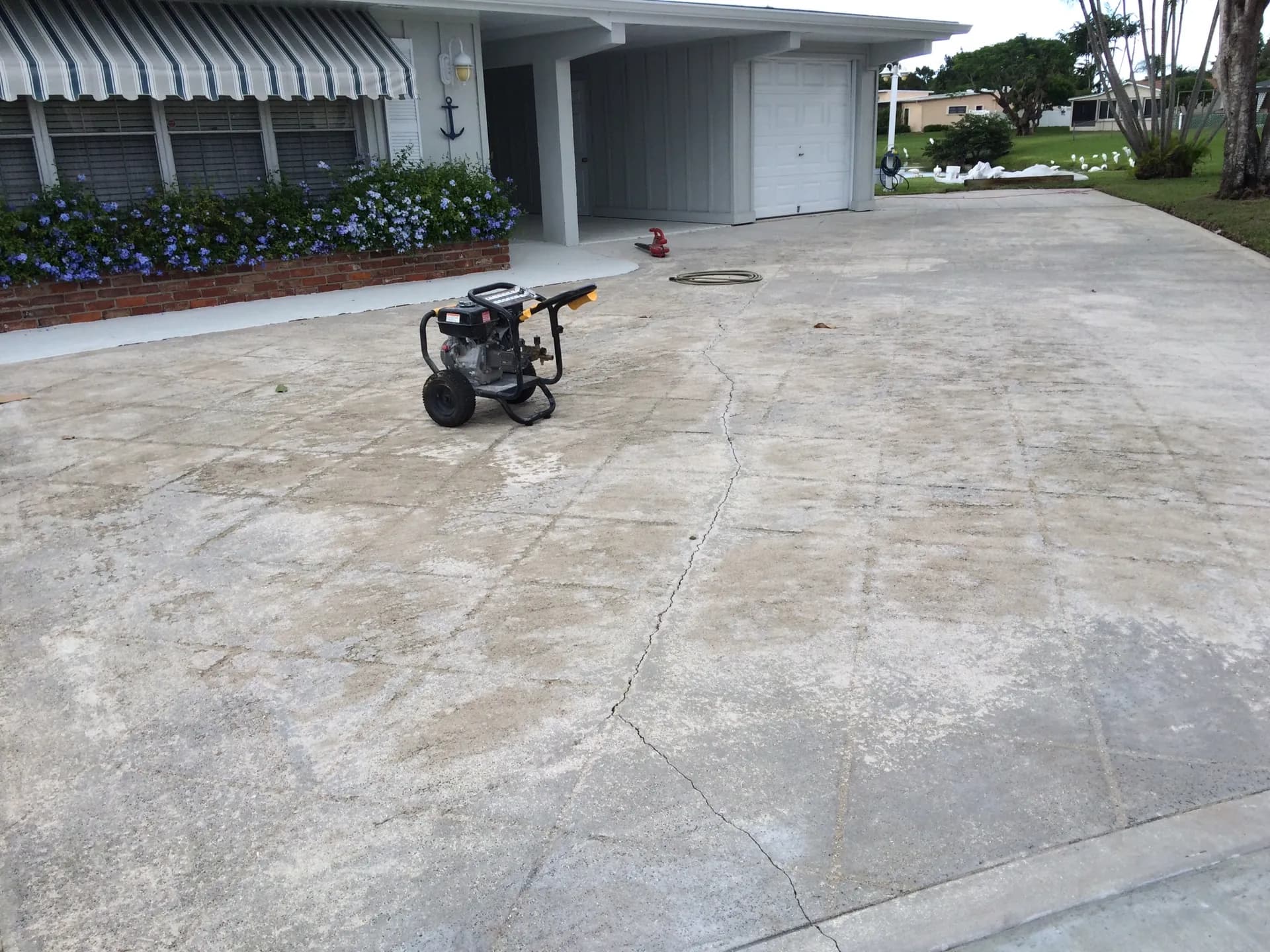
- Pattern cracking (map cracking): spider-web or alligator pattern across the surface — usually poor mix design or curing; cosmetic but signals surface quality issues
- Full-slab-width cracks at control joints: normal if both sides are at equal height; structural if one side has settled lower
Tree Roots: South Florida's Most Destructive Concrete Enemy
Tree root damage is one of the most common—and expensive—concrete problems in Palm Beach County. Ficus trees are the worst offenders: surface root systems can crack and lift a driveway within 5–7 years of planting. Royal palms, oaks, and schefflera are also common culprits. If a crack follows a curved path rather than a straight line, or a raised section lines up with a nearby tree, root intrusion is likely the cause.
- Address the tree before repairing concrete — roots will crack any repair or replacement if left untreated
- Install a root barrier to redirect future growth before pouring new concrete
- If the slab has been heaved, full section replacement is usually necessary — resurfacing over a heaved slab re-cracks quickly
- Prevention: don't plant ficus, royal palm, or large oaks within 10 feet of any concrete slab
Heat Expansion and Control Joints
In South Florida's climate, concrete surface temperatures regularly exceed 130°F in summer. Properly spaced control joints—grooves cut into the slab at regular intervals—give concrete a controlled place to crack, directing stress to the joint rather than randomly across the surface. When joints are missing or spaced too far apart, cracking occurs wherever stress accumulates. Random cracks appearing between control joints, or in slabs with no control joints at all, indicate inadequate joint spacing during the original pour.
What to Do When Your Concrete Cracks
The right response depends on the crack type and cause:
- Hairline surface cracks: fill with polyurethane or epoxy crack filler; reseal the full surface to prevent moisture entry
- Structural cracks with displacement: get a contractor evaluation — identify the root cause (soil void, roots, drainage) before committing to repair vs. replacement
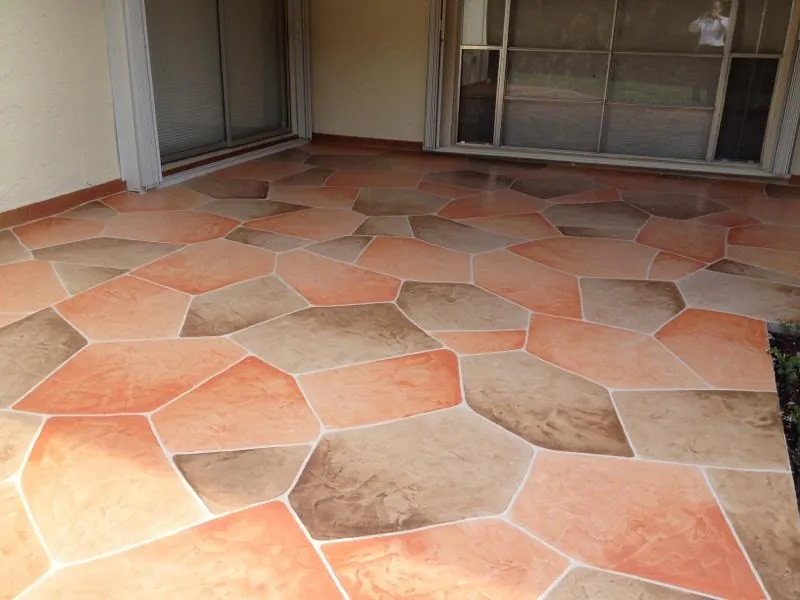
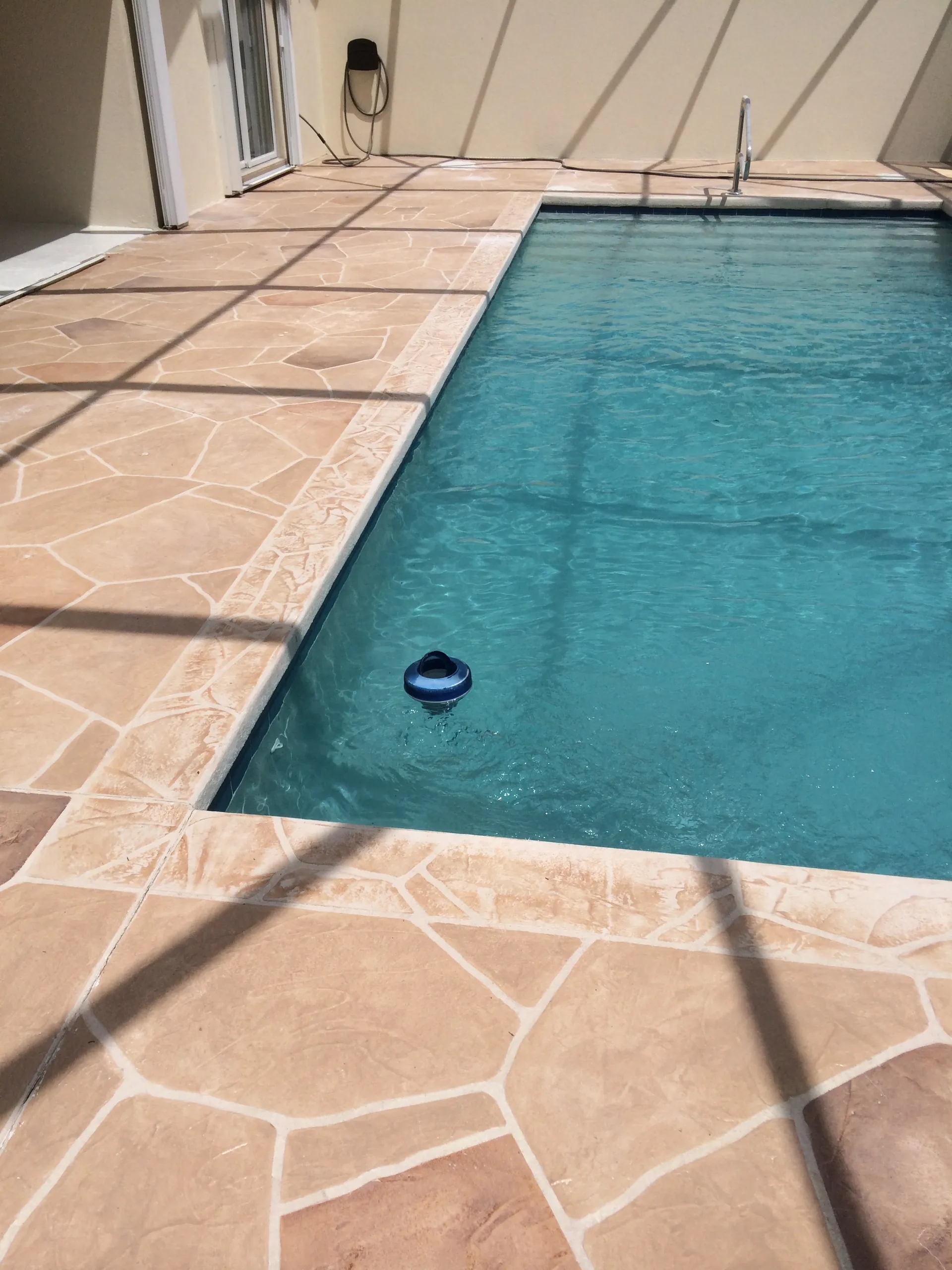
- Pattern cracking (map cracking): full resurfacing with a decorative overlay seals the surface and improves appearance without demolition
- Root-heaved sections: remove affected slabs, address the root cause, install proper compacted base, and pour new concrete
How to Prevent Concrete Cracks in South Florida
Prevention starts at installation and continues with maintenance:
- Proper base — 6 inches of compacted crushed limestone (not raw sand) under all slabs
- Correct mix — minimum 3,000 PSI; 4,000 PSI recommended for driveways with vehicle traffic
- Adequate thickness — 4 inches minimum for pedestrian areas; 5–6 inches for driveways
- Control joints — spaced no more than 10 feet apart
- Reinforcement — rebar or fiber mesh reduces crack propagation if the slab does crack
- Regular resealing — every 2–3 years to prevent moisture infiltration that causes surface spalling
- Tree selection — avoid aggressive-root species within 10 feet of any concrete slab