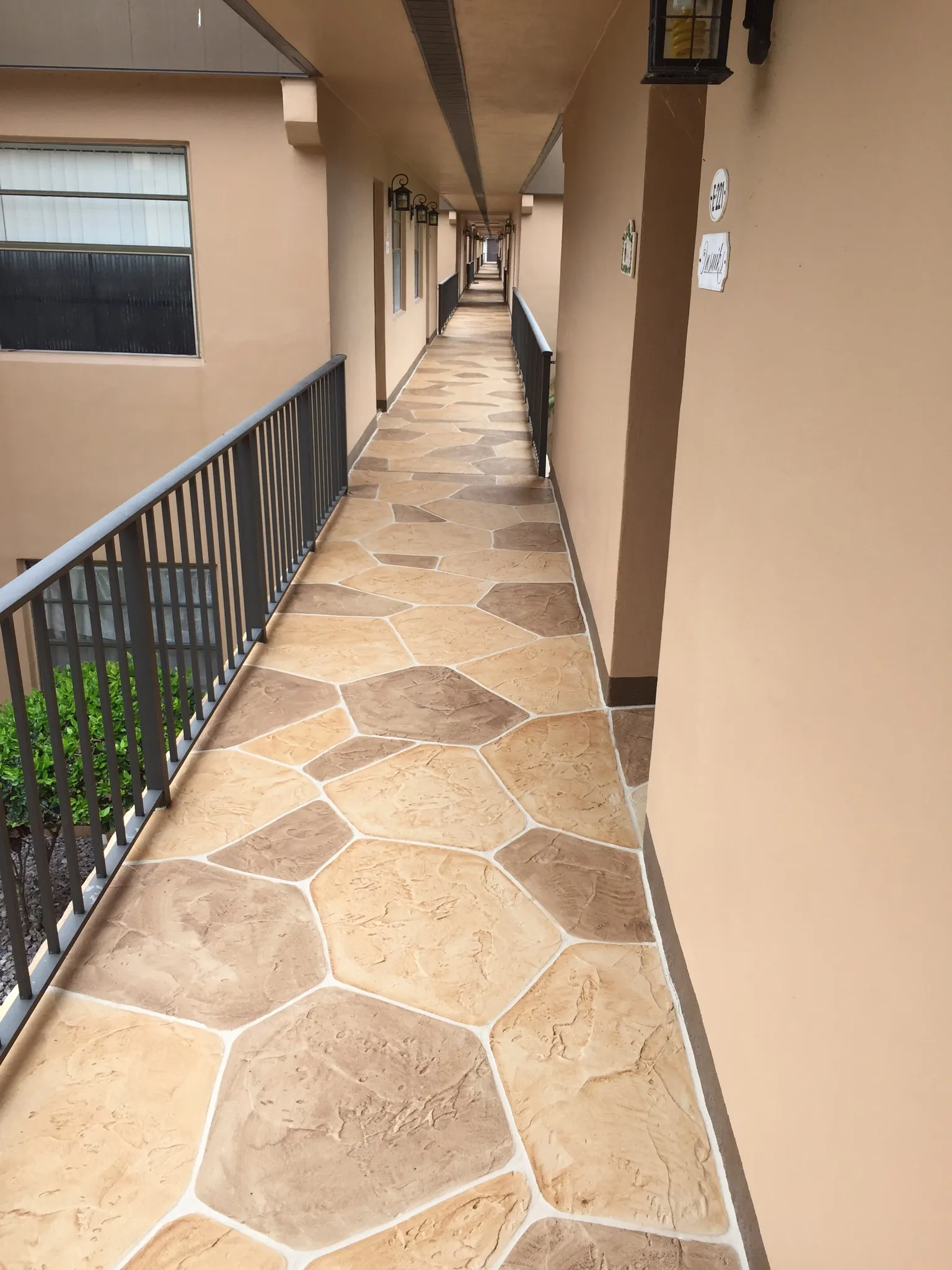
Why Concrete Settles in South Florida
Settled and uneven concrete is extremely common in Palm Beach County due to specific regional soil and climate conditions. Understanding what causes settling helps identify the right fix:
- Sandy soil voids — South Florida's sandy soil doesn't compact and hold like clay-heavy soils; water from rain washes it away from beneath slabs, creating voids that allow settling
- Tree root activity — roots grow beneath slabs and either push sections up (heaving) or, when the root dies and decomposes, leave a void that causes the slab to sink
- Heavy rainfall erosion — South Florida's intense rainy season washes sandy base material from under slabs, particularly at edges and around drainage areas
- Utility trench settlement — areas above buried pipes or utility trenches settle as backfill compacts over time
- Pool area erosion — water splash-out and drainage from pool equipment erodes soil beneath surrounding concrete
Mudjacking: How It Works and When to Use It
Mudjacking (also called slabjacking) pumps a slurry of cement, soil, and water beneath the settled slab through drilled holes, lifting it back to grade. It's a proven method with decades of use, but has specific limitations in South Florida:
- Cost: $3–$8 per sq ft typically
- Works well for: large settled areas on stable soil, areas away from the coast where soil moisture is lower
- South Florida limitation: the slurry adds significant weight to a soil base that's already unstable; this can accelerate future settling in sandy soil
- Cure time: 24–48 hours before traffic
- Holes drilled: 1.5–2 inch diameter holes at 4–6 foot intervals; visible after patching
- Lifespan in South Florida: variable — sandy soil can allow re-settling within 3–7 years in some conditions
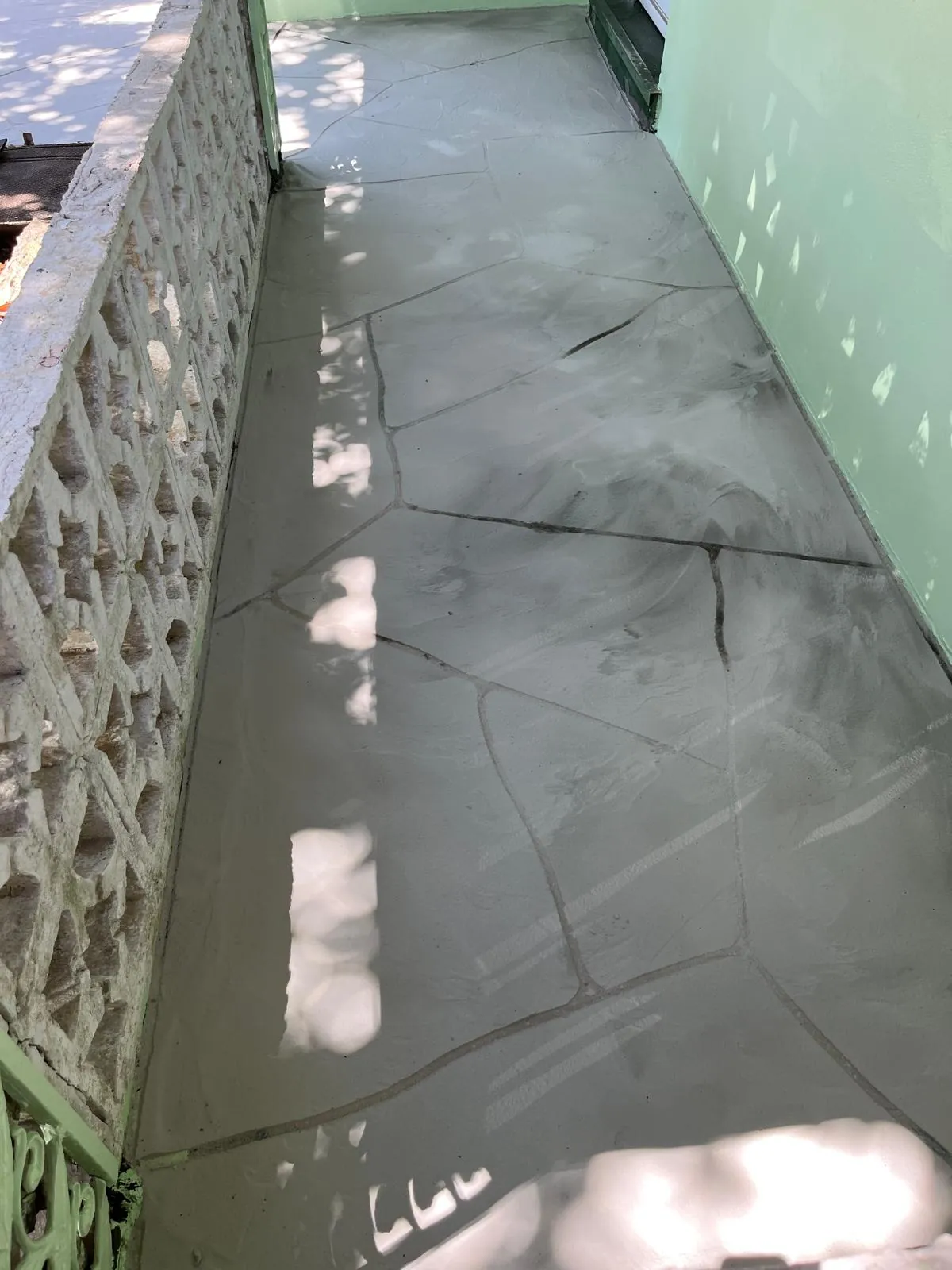
Polyurethane Foam Lifting (Polyjacking): The Better South Florida Option
Polyurethane foam lifting injects expanding foam beneath the settled slab through small drilled holes. The foam expands to fill voids and lifts the slab, then cures rigid within minutes. For South Florida's sandy, high-moisture soil conditions, it outperforms mudjacking on several dimensions:
- Cost: $10–$25 per sq ft — higher upfront than mudjacking
- Weight: foam adds virtually no weight to the soil base — critical in sandy South Florida soils
- Cure time: 15–30 minutes — traffic-ready same day
- Moisture resistance: foam doesn't wash away in heavy rain the way mudjacking slurry can
- Smaller holes: 5/8 inch diameter — less visible after patching
- Void filling: foam expands to fill irregular voids created by root decomposition or erosion
- Lifespan: foam itself doesn't degrade; longevity depends on whether the underlying cause (tree roots, drainage) is addressed
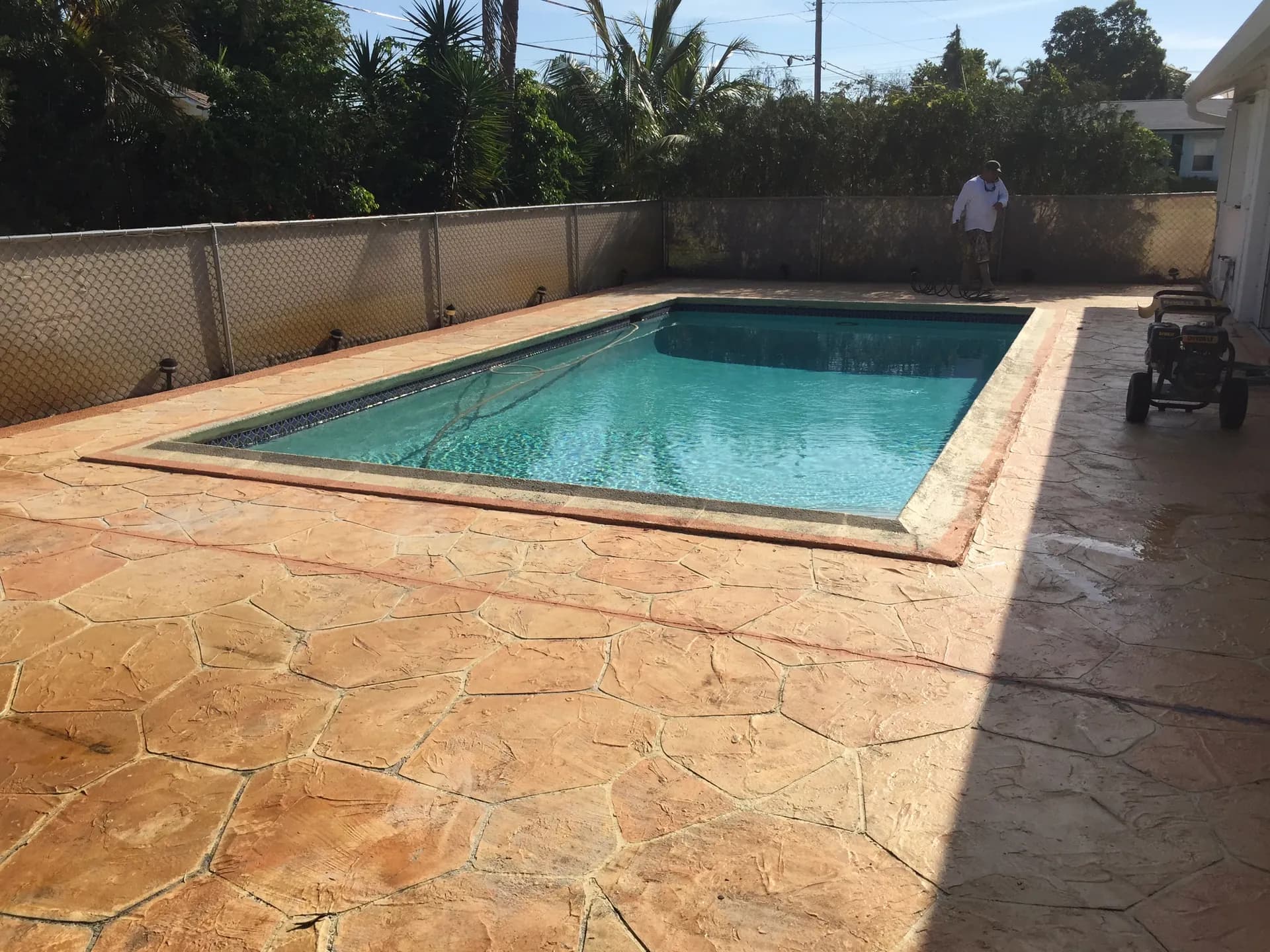
When Leveling Isn't the Answer: Full Replacement
Leveling—whether mudjacking or foam—only works when the concrete slab itself is structurally intact. Leveling is not appropriate when:
- The slab has structural cracks through its full thickness (not just surface cracks)
- Tree root intrusion has broken the slab into multiple pieces that can't be lifted together
- The settling is so severe that lifting would crack the already-stressed slab
- The concrete is severely deteriorated, spalled, or crumbling from age
- The cause of settling (active root, broken pipe, ongoing erosion) hasn't been addressed and will cause immediate re-settling
Cost Comparison for Palm Beach County
Here's how the three options compare for a typical 200 sq ft settled driveway section in Palm Beach County:
- Mudjacking: $600–$1,600 (plus re-settling risk in sandy soil)
- Polyurethane foam lifting: $2,000–$5,000 (same-day traffic, better longevity in South Florida conditions)
- Full slab replacement (plain concrete): $1,200–$1,800 plus demolition ($400–$800) = $1,600–$2,600
- Key decision factor: if the cause of settling is addressed and the slab is structurally sound, foam lifting delivers the best cost-per-year outcome in South Florida; if the slab is compromised or the cause is unresolved, replacement is more cost-effective long-term
Trip Hazards: When Leveling Becomes a Safety Requirement
Settled concrete that creates a vertical displacement of ½ inch or more between slabs is classified as a trip hazard. In Palm Beach County, trip hazards on driveways, walkways, and pool decks create liability exposure for homeowners. HOA communities in particular can require correction of documented trip hazards within a specific timeline. Foam lifting or replacement resolves trip hazards quickly—most projects complete in one day.